Burn injuries can be one of the most uncomfortable and terrible experiences one can endure. Whether it's a minor kitchen mishap or a severe burn from a crash, comprehending the stages of shed wound healing is critical for efficient treatment and recuperation. In this write-up, we will dive deep right into the complexities of shed wounds, their category, recovery procedures, and vital treatment techniques.
Understanding Burn Injury Healing Presents: Recovery Insights
Burns are categorized into different degrees based on their seriousness, each calling for specific clinical interest and care. The healing procedure includes distinct phases that should be identified to guarantee appropriate monitoring and rehabilitation.
What Are the Different Kinds Of Burns?
Burns are usually classified right into 3 primary types:
First-Degree Burns: These affect only the external layer of skin (skin). Signs include inflammation, moderate swelling, and pain.
Second-Degree Burns: These prolong into much deeper layers of skin (dermis), creating blisters, severe discomfort, and swelling.
Third-Degree Burns: These entail all layers of skin and may harm hidden cells. They appear white or charred and can be pain-free as a result of nerve damage.
Each kind demands differing degrees of clinical treatment and home treatment strategies.

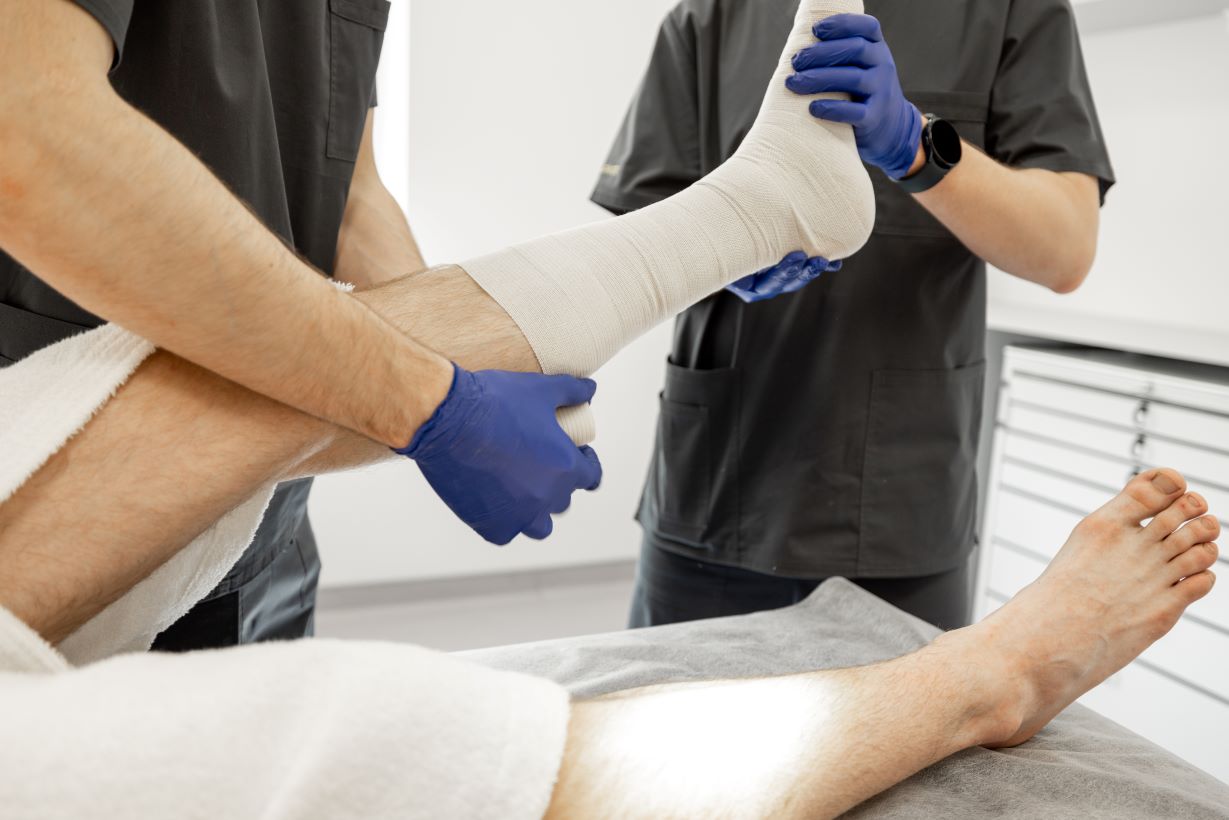
The Recovery Refine: An Overview
1. Hemostasis Phase
Immediately after a shed injury occurs, the body starts the hemostasis stage to quit any type of blood loss. Capillary constrict to reduce blood flow to the damaged area while platelets aggregate to create a clot.
2. Inflammatory Phase
This stage complies with hemostasis and generally lasts for 3-5 days post-injury. It involves:
- Increased blood circulation to supply immune cells. Swelling as fluids build up in the tissue. Pain as nerve closings come to be sensitized.
3. Proliferative Phase
Taking location from about day 3 to week 3 post-burn, this stage includes:
- Formation of brand-new tissue through collagen deposition. Re-epithelialization where brand-new skin cells migrate across the wound bed. Angiogenesis-- the development of new members vessels-- to provide nutrients to healing tissues.
4. Renovation Phase
This final phase can last numerous months to years after a melt injury and is noted by:
- Maturation of collagen fibers. Decreased vascularity as frameworks mature. Potential for scar formation depending upon severity.
Importance of Specialized Burn Dressings: Necessary Burn Materials for Home Care
Proper dressing is vital in managing shed injuries properly in your home. Specialized burn dressings serve multiple functions:
- They protect against infections by creating an obstacle against pathogens. They preserve moisture while allowing gases exchange which is vital for healing. Some dressings contain antimicrobial buildings that prevent infection.
It's essential to choose appropriate dressings based upon burn degree and dimension. As an example, hydrogel dressings are frequently advised for second-degree burns because of their cooling effect.
Scar Management: Healing After Significant Burns
Once a melt has actually recovered, scar management comes to be important for recovering function and look:
Silicone Gel Sheets: Using these aids flatten elevated marks over time. Massage Treatment: Encouraging flow can improve flexibility in scar tissue. Laser Therapies: Physician might recommend these for extra serious scarring cases.Common Misconceptions Concerning Burn Treatment
CPR Constantly Reactivates Heart Misconception: Debunking Common Burn Therapy Misconceptions
One common misconception bordering CPR is that it always restarts the heart; however, this isn't real-- CPR increases chances of survival but does not guarantee heart task returns to right away after heart attack. Recognizing such mistaken beliefs can assist in giving accurate emergency treatment throughout emergency situations entailing burns or other severe injuries.
FAQs concerning Burn Wound Healing
1. What should I do instantly after sustaining a burn?
Answer: Trendy the location under running water for at least 20 mins and cover it with a clean towel or specialized dressing if necessary.
2. The length of time does it consider burns to heal?
Answer: Healing times differ by burn level; first-degree burns usually recover within a week while second-degree burns can use up to 3 weeks or even more depending upon severity.
3. When must I look for medical focus for a burn?
Answer: Look for professional aid if you have second-degree burns larger than 3 inches or any third-degree burns, despite size.
4. Can I utilize ice straight on a burn?
Answer: No, applying ice directly can trigger further skin damage; usage cool (not cold) running water instead.
5. Is there any reliable natural home remedy for burns?
Answer: Aloe vera gel has calming homes that may assist with small burns yet speak with doctor regarding considerable injuries.
6. How do I know if my burn is infected?
Answer: Indicators include enhanced inflammation, swelling, pus discharge, fever, or aggravating pain; seek immediate clinical recommendations if you think infection.
Conclusion
Understanding melt injury recovery stages is vital not just for people but additionally caregivers who provide assistance during recovery phases. Expertise regarding CPR and first aid training courses specialized therapies-- like specialized dressings-- and proactive mark monitoring significantly influences long-term results after major burns occur.
Through awareness campaigns that stress safety and security around typical threats like campfires or kitchen area devices-- such as crinkling irons-- we can first aid course near me protect against lots of incidents before they take place! By knowing how to respond with efficient emergency treatment abilities (like those instructed in HLTAID012 courses), you encourage on your own with useful devices that protect lives throughout emergency situations involving burns or other major injuries.
In summary, knowledge absolutely is power when managing potential emergencies associated with burns-- from understanding treatment protocols like chemical or electrical burns first aid standards down through various child-centric issues seen within education and learning setups-- every information matters in guaranteeing safety!
This thorough overview intends not only to inform yet likewise inspire confidence in handling complex scenarios effectively-- after all-- prevention integrated with prompt treatment saves lives!